
8 Common Interior Design Mistakes and How to Avoid Them
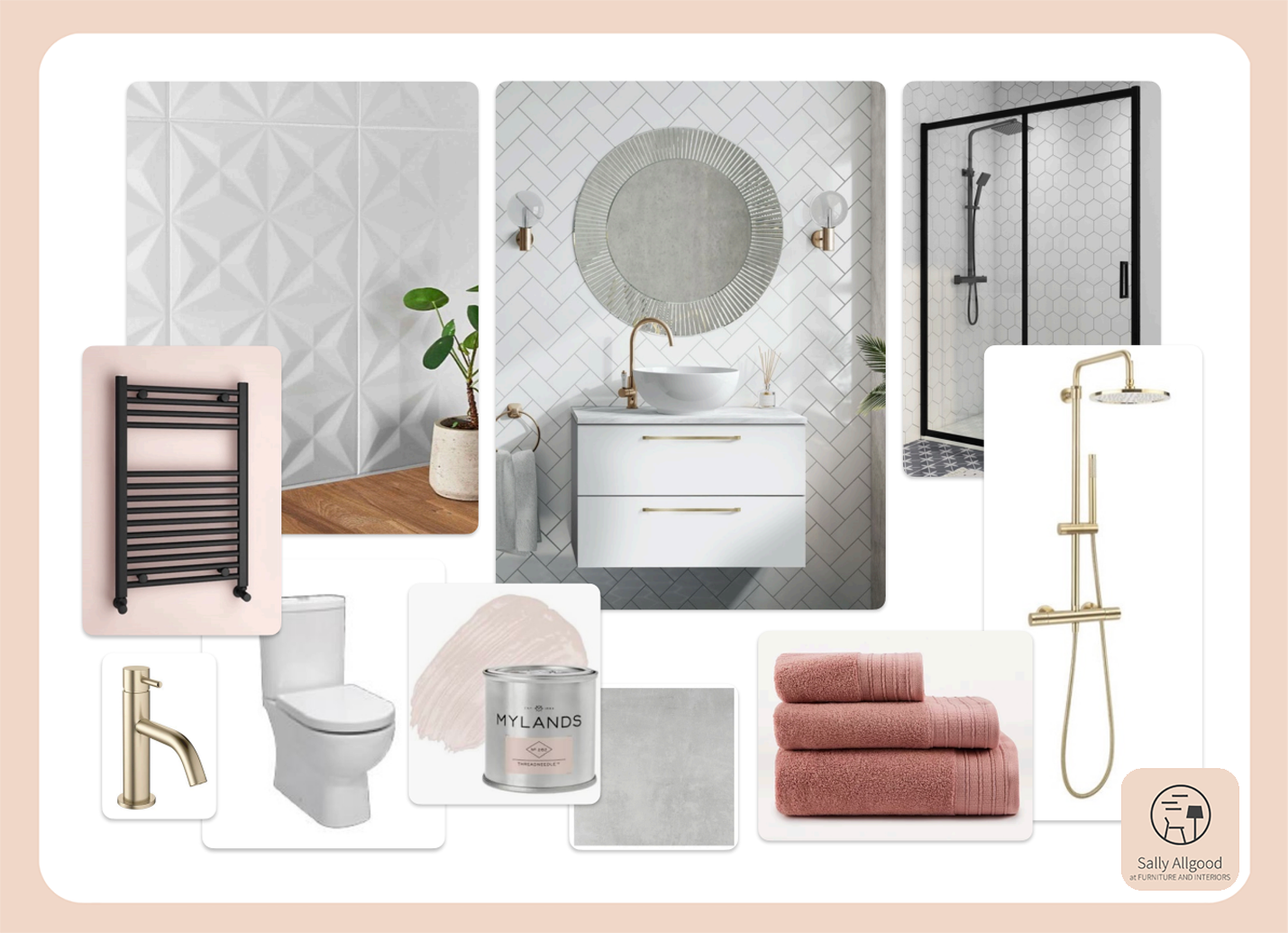
1. Not having a plan or vision
When embarking on a room renovation project, it’s important to have a clear idea of what you’d like the finished space to look like.
This is where mood boards become invaluable. They can be created either digitally or physically. Digital mood boards are particularly useful, as items can be easily moved, adjusted, or swapped as ideas evolve. Alongside this, you can create a small sample box to hold any physical materials or finishes you collect.

2. Forgetting to measure properly
Remember to consider, not only whether the large sofa or dining table will fit in your space, but also will you be able to get it in there in the first place.
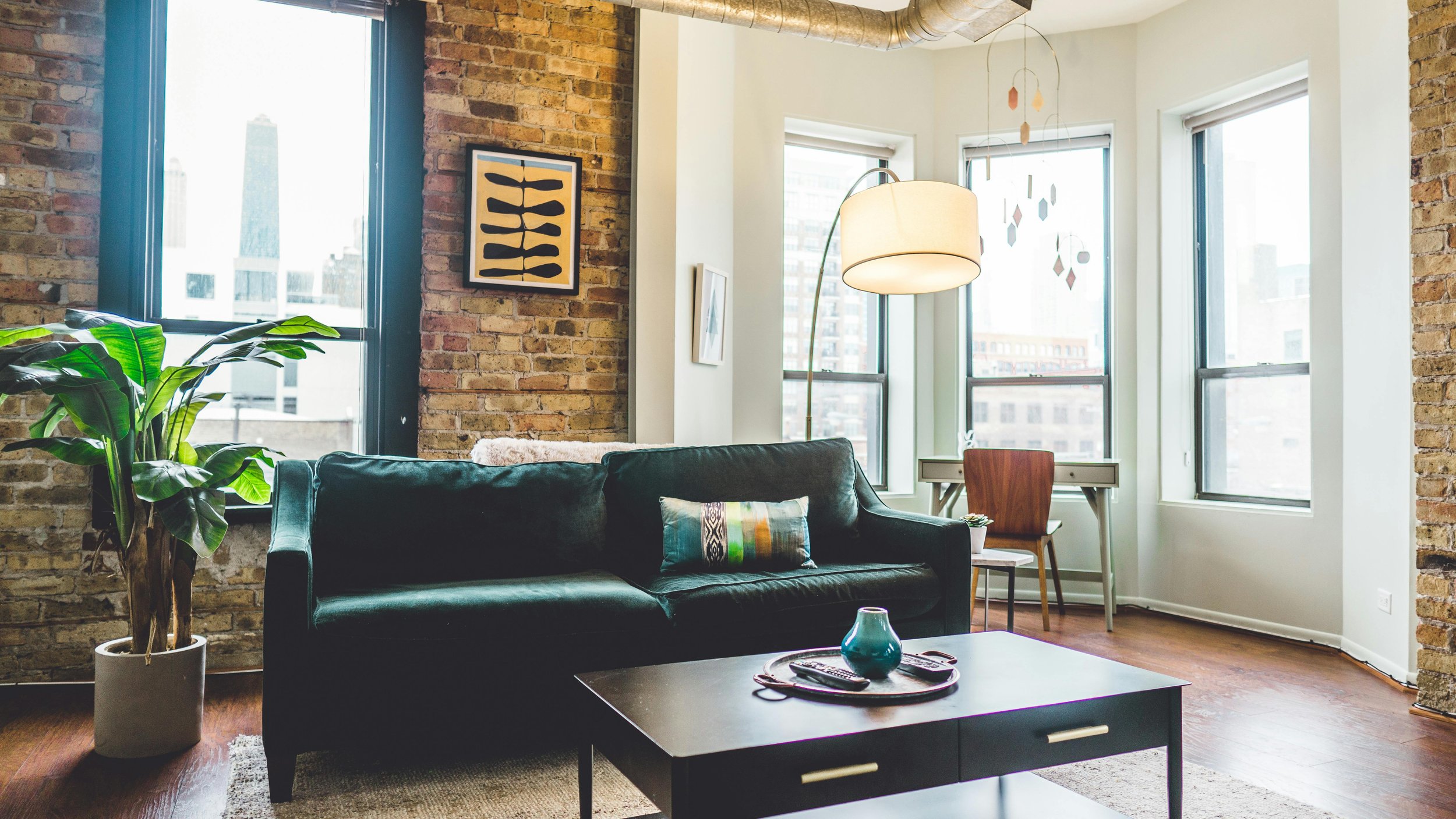
3. Out of scale furniture
Scale involves more than simply ensuring that furniture fits within a space. It’s about considering how each piece relates to the others in the room.
Just as importantly, remember to think about negative space. Empty areas are as vital to a successful design as the furniture itself, allowing the room to breathe and feel balanced.
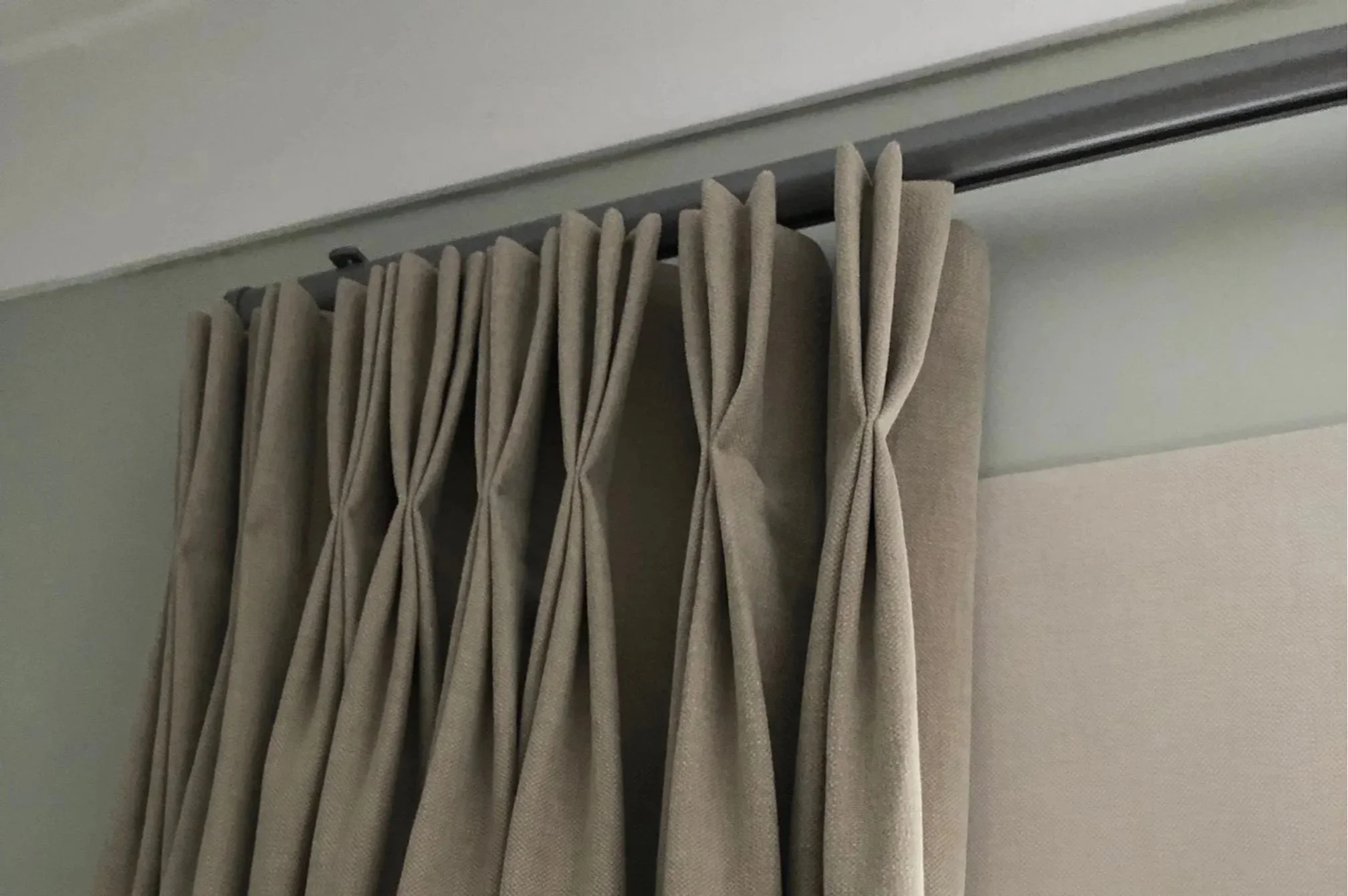
4. Curtain and blind positioning
Think carefully about where you position your curtain pole or blind headrail, as this can be used to great advantage.
Hanging the pole higher will make a window appear taller, while extending it well beyond the edges of the window can create the illusion of greater width.
5. Too many styles
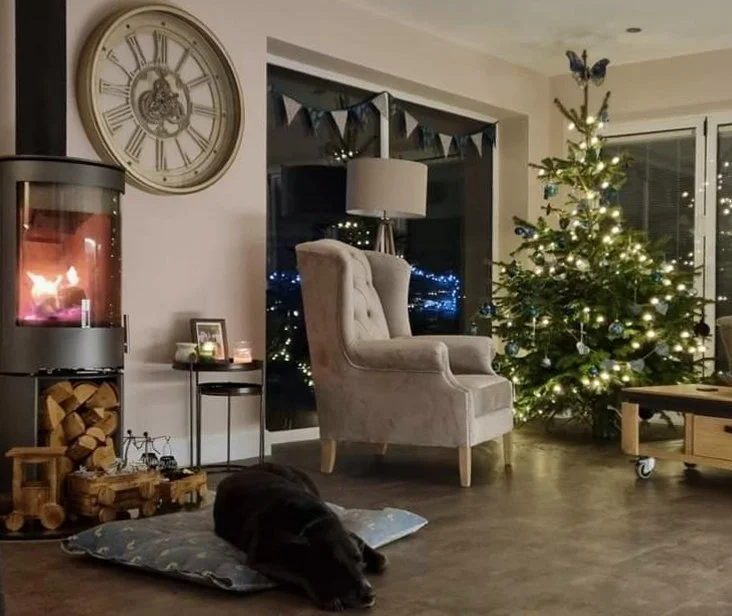
Mixing styles is a great way to bring energy and interest to a scheme, but it’s important not to overdo it—cohesion is key. As a rough guide, aim for around 70% of one style and 30% of another; as with many aspects of design, it’s best to avoid a fifty–fifty split.
The room shown combines modern industrial elements with a few classic pieces, such as the button-back wing chair, creating a balanced and characterful space.
6. Not enough contrast
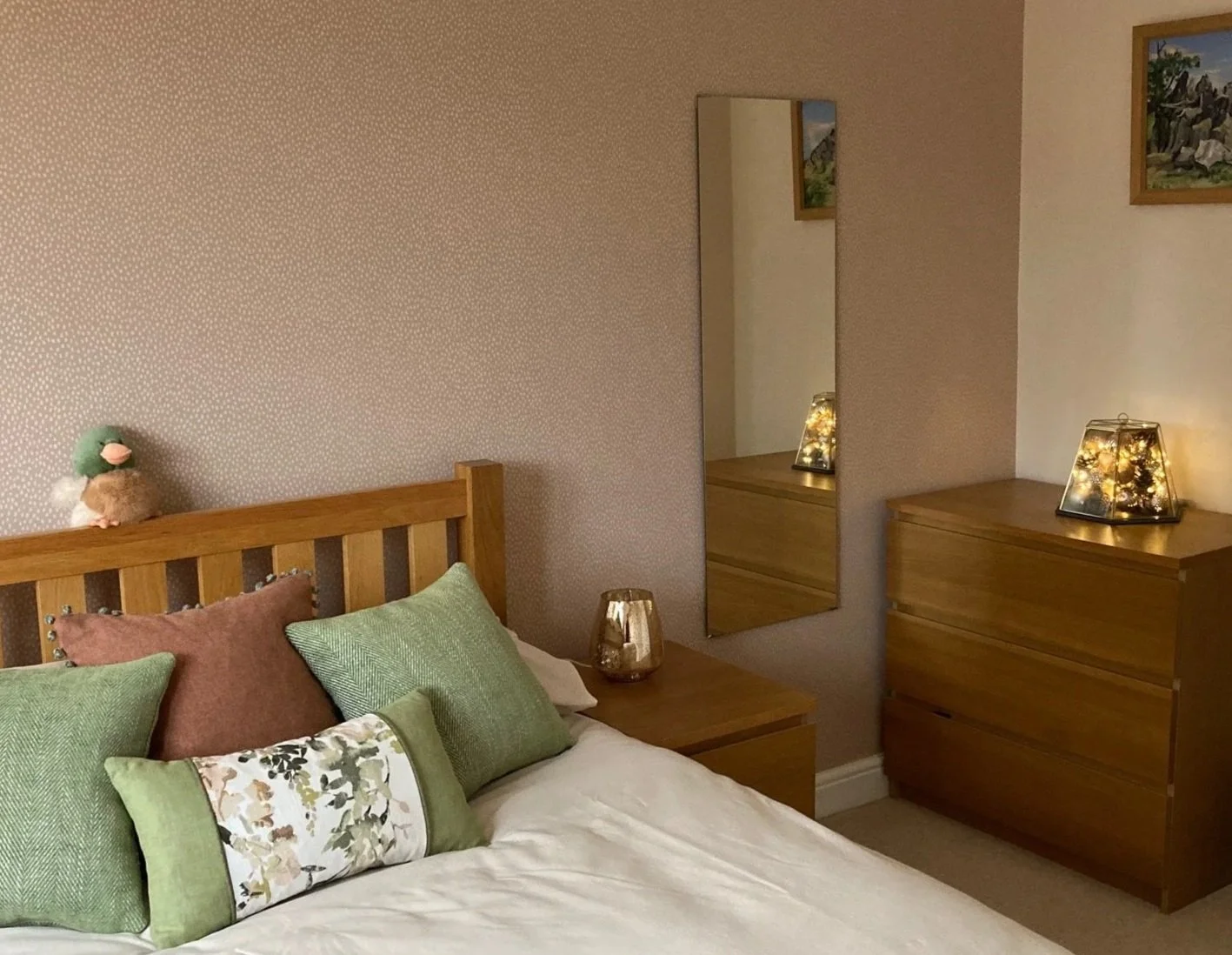
Use light, colour, and texture to add visual interest and depth to a room.
It’s entirely possible to create a beautiful space using only neutral colours, provided there is a rich mix of textures—such as wood, stone, ceramic, and linen. A room also benefits from multiple light sources, including lamps of varying sizes and wall lights, to create warmth and balance.
7. Following trends
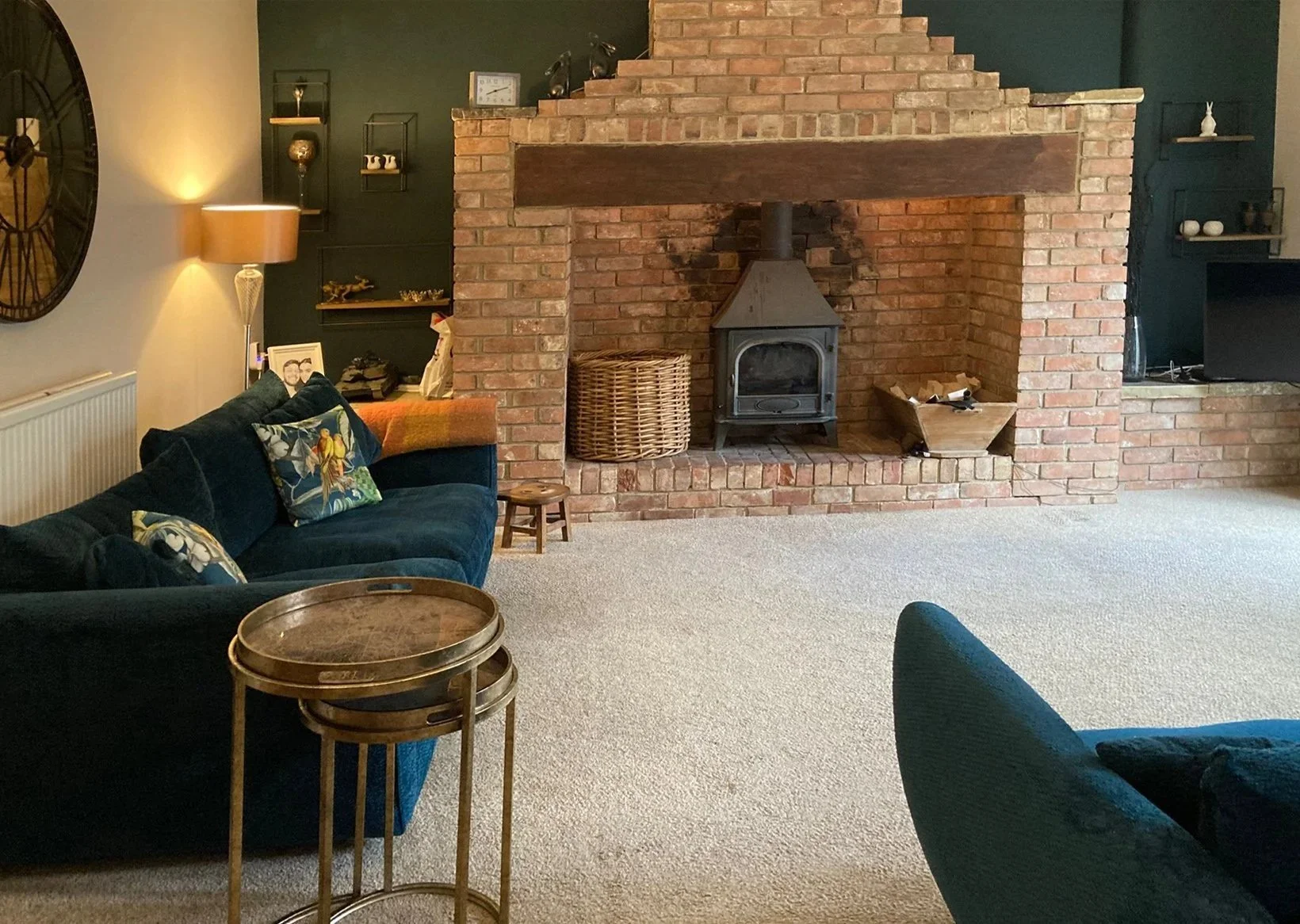
Renovating an interior is not cheap, and the last thing you want is for it to look dated too quickly. Trends can be a great source of inspiration and keep a space feeling fresh, but never include something just because it’s “in.” Only incorporate elements you truly love—ones you’ll still be happy living with for years to come.
8. Inadequate lighting
Lighting is often an afterthought—something added at the end of a project with a new lamp or a coordinating ceiling shade.
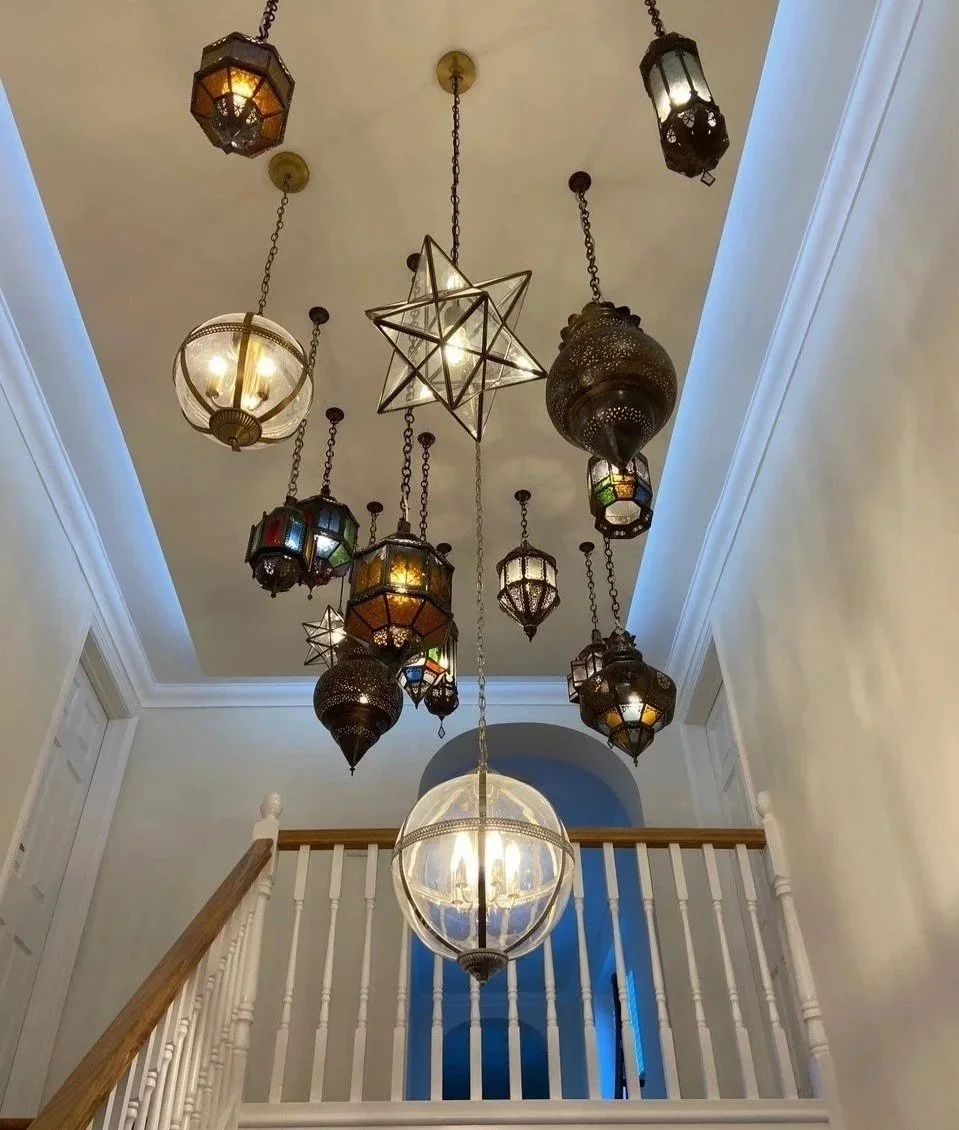
To create a cohesive and functional scheme, lighting needs to be considered from the very beginning. Think about how the room will be used—relaxing, working, cooking? Most spaces serve multiple purposes, so include practical task lighting alongside softer options for relaxation.
Lighting can also act as a striking focal point, such as this installation in a large hallway, adding both style and drama to the space.